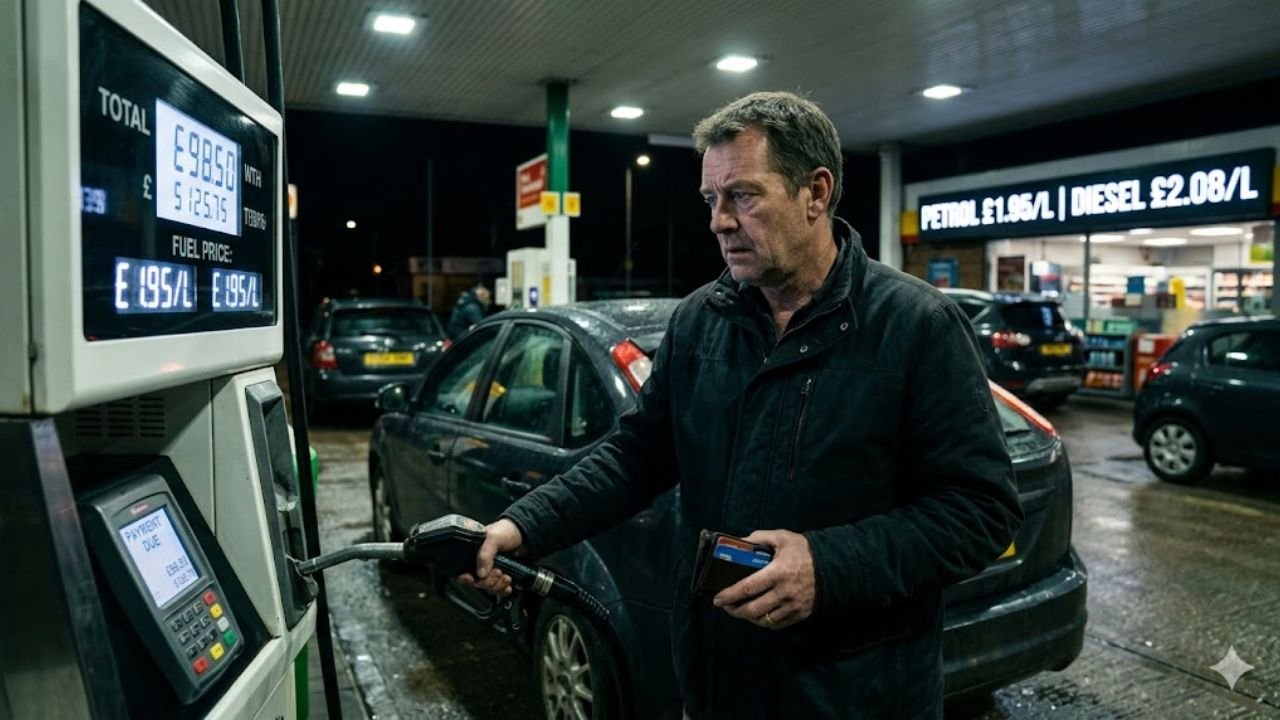
Constantly rising prices of fuel not only make it more expensive to drive, but also make it harder to manage a household budget. When fuel costs increase, families often struggle to cover daily expenses. As a result, many people begin relying on credit cards or short-term loans to maintain their lifestyles. What starts as a temporary adjustment to higher prices can quickly turn into long-term debt and financial stress.
Why Expensive Fuel Hits Your Wallet So Hard
When fuel prices increase, people do not just pay more at the fuel pump. They also pay more at grocery stores, markets, and for everyday services. Fuel costs influence transportation, manufacturing, and agriculture, meaning that higher fuel prices push up the cost of many essential goods.
Research has shown that fuel price increases have the greatest impact on low- and middle-income households in India. Many families experienced job losses or stagnant income growth after COVID-19, making it even harder to absorb rising costs.
Fuel is essential for moving goods, operating machinery, and transporting people. As fuel becomes more expensive, businesses raise their prices to compensate for higher operating costs. For households, this means a larger portion of the budget goes toward “needs” rather than “wants.”
Groceries, deliveries, school transportation, and even medical visits become more expensive when fuel costs rise. Over time, these increases can severely reduce financial flexibility.
The Debt Trap: Swiping Once Turns Into Long-Term Financial Stress
To cope with rising costs, many consumers turn to credit cards or Buy Now Pay Later (BNPL) services. These options provide short-term relief but can create long-term financial problems if balances are not paid off quickly.
When inflation affects essential items such as fuel, households often cut spending on non-essential goods first. However, commuting to work or running a small business still requires fuel. When income does not keep pace with expenses, credit becomes a survival tool rather than a convenience.
Over time, interest charges accumulate. High-interest credit card balances can turn routine fuel purchases into expensive long-term debt. The combination of high living costs, mounting interest payments, and financial uncertainty can create ongoing stress for families.
This situation becomes even more difficult when unexpected events occur. Medical emergencies, job loss, or sudden expenses can push already stretched households deeper into debt.
For people who rely on driving for work, school drop-offs, or running a business, reducing fuel consumption is not always possible. As a result, credit spending often becomes unavoidable, increasing financial pressure.
How Fuel Prices Ripple Through Everyday Life
Even people who do not drive regularly still feel the impact of higher fuel prices. The cost of transporting goods is built into the price of almost everything consumers buy.
When fuel prices rise, producers face higher operating and logistics costs. Businesses then pass those costs to consumers. This leads to higher prices for vegetables, packaged foods, construction materials, delivery services, and even online shopping.
In India, fuel prices fluctuate largely due to global crude oil prices. Since the country imports a significant portion of its crude oil, international price changes directly influence domestic fuel costs.
Government policies and taxes may help stabilize prices temporarily, but consumers still experience the effects of global volatility.
Snapshot: Fuel Prices and Household Stress
| Year Period | Typical Monthly Fuel Spend (Commuting Household) | Reported Impact on Budget Flexibility | Common Coping Response |
|---|---|---|---|
| 2022 | Moderate, still manageable from salary | Some reduction in savings | Cutting small luxuries |
| 2024 | Noticeably higher due to global price rises | Savings reduced, more bill juggling | Delaying purchases, occasional credit card use |
| 2025–early 2026 | High and volatile in many regions | Little to no surplus, frequent stress | Regular use of credit, cutting essentials, postponing EMIs |
Repeated fuel price increases can gradually destabilize household finances. Without strong income growth or financial safety nets, families often find themselves adjusting spending patterns repeatedly.
Practical Ways to Reduce the Impact of Fuel Costs
While fuel prices cannot be controlled by households, there are practical steps that can reduce the financial strain.
Start by calculating monthly travel expenses and tracking driving habits. Understanding how much fuel is used and where it is used can help identify opportunities to cut costs.
Possible adjustments include carpooling with coworkers, combining multiple errands into a single trip, avoiding unnecessary solo trips, or using public transportation when available.
At the budgeting level, treating fuel as a fixed monthly expense can help maintain control. Set a monthly fuel limit and adjust other discretionary spending if that limit is reached.
Some financial planners also recommend maintaining a small “cost-of-living buffer” in savings. This buffer can help cover short-term increases in necessary expenses like fuel.
If a credit card must be used for fuel purchases, using a fuel rewards card and paying the balance in full each month can help prevent the costs from turning into long-term debt.
Why Policy Decisions Still Matter — But Households Must Adapt
Fuel prices are influenced by government policies, including fuel taxes and subsidies. In some cases, governments reduce taxes temporarily when crude oil prices rise in order to control inflation.
In India, policymakers have occasionally stabilized petrol and diesel prices despite rising crude oil costs. However, these measures depend on fiscal capacity and political priorities.
Policy changes can occur quickly, and households cannot always rely on long-term government intervention to manage fuel price volatility.
For families already operating on tight budgets, waiting for policy relief may not be practical. Instead, developing flexible travel habits, maintaining careful budgeting, and exploring additional income sources can provide more stability.
By proactively managing fuel expenses, households can reduce the risk of being pushed into a long-term debt cycle during periods of rising prices.
FAQs
Q1 Why do fuel price hikes affect almost everything I buy?
Most products require transportation and energy during production and delivery. When fuel prices increase, businesses face higher costs and often raise their prices to compensate.
Q2 Is using a credit card for fuel always a bad idea?
Not necessarily. Using a credit card can be safe if the balance is paid in full each month. Problems arise when balances are carried forward and accumulate high interest.
Q3 Can government policies permanently solve fuel price stress?
Government policies can help stabilize prices temporarily, but fuel costs are largely influenced by global oil markets. Households still need budgeting strategies to manage ongoing fluctuations.