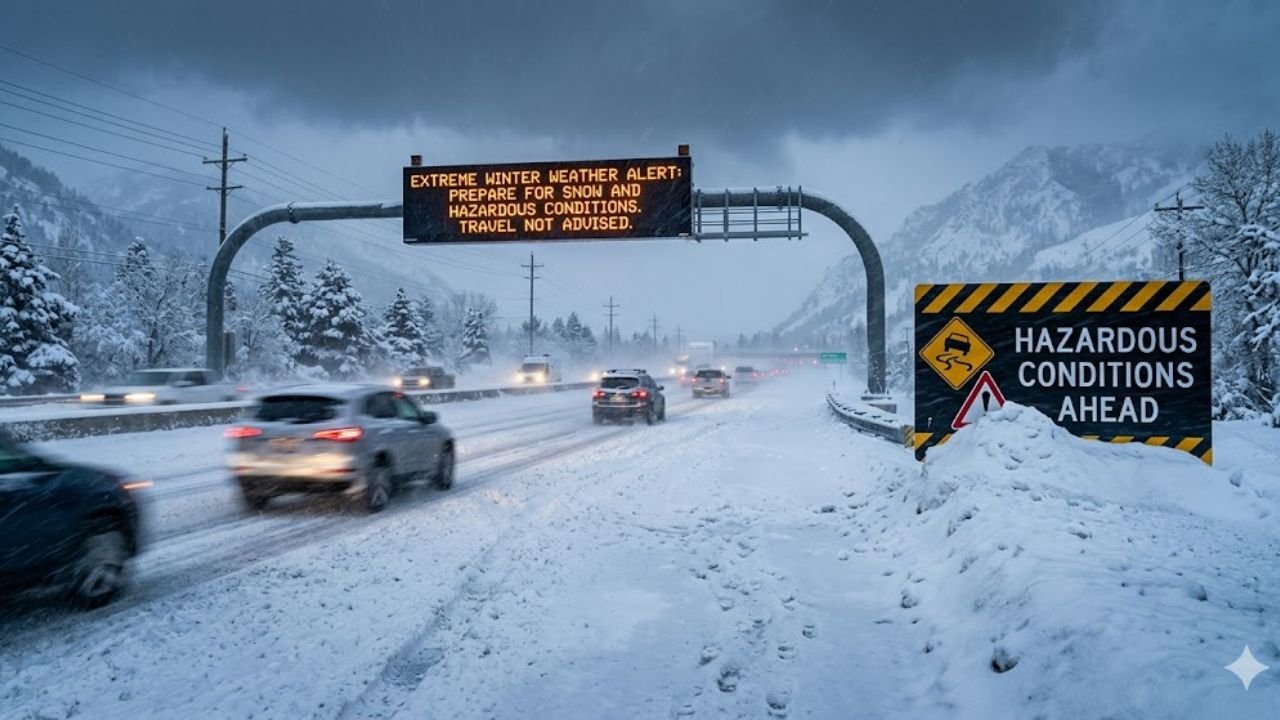
Most consumers adjust their spending habits in the fall, anticipating the winter holiday shopping season. Changes to weather, daylight, and the academic calendar can signal the winter season to consumers and, in turn, can have significant impacts on shopping behavior. Retailers can alter the consumer experience to capture sales by shifting their advertising and modifying their traffic management and sales environment. In a snow-affected shopping environment, clear traffic management, a rapid turnover in snow clearance, and implemented sales, encouraging consumers to stay longer in the store, can capture additional sales in the winter holiday shopping season.
Winter Preparation: Home and Safety
Begin by reviewing the insulation in your attics and crawl spaces and make sure all R-values comply with the updated 2026 regulations for your specific climate zone. Windows and doors lose the most heat; installing weather stripping or using temporary plastic sheeting can help reduce heat loss by 25%. Also, plumbing systems are one of the biggest weaknesses during a deep freeze. To help avoid billions of dollars of property damage caused by burst pipes, make sure all pipes in unheated areas are wrapped with foam sleeves or UL tape. During a freeze, leaving a thin, pencil-sized stream of water flowing from an unheated faucet can prevent the stream inside the faucet from freezing.
If you have secondary heating sources like wood stoves or portable generators, be sure your carbon monoxide detectors are working, and generators are placed 20 feet away from your home to avoid inhaling deadly gas.
Emergency Supplies and Resource Management
Stocking an emergency supply kit is essential so you can be self-sufficient for 72 hours if your area is remote or blocked by snow and ice. If you are in a remote or rural area, it is recommended to be self-sufficient for five days.
- Non-cooking-required food items
- Can opener
- Water storage (1 gallon per person, per day)
- Prescription medicines, baby food, or pet supplies
- Secondary backup power bank
- Hand-crank or battery-powered NOAA weather radio
Winter Emergency Kit Essentials
| Emergency Category | Essential Item | Purpose |
|---|---|---|
| Lighting | LED Headlamps | Hands-free lighting during outages |
| Communications | NOAA Weather Radio | Real-time emergency updates – no internet required |
| Thermal | Mylar Space Blankets | Reflects 90% of your body heat |
| Sanitation | Disinfecting Wipes | Keep clean when water is limited |
| First Aid | Trauma Shears and Gauze | Manage injuries while waiting for EMS |
| Power | 20,000 mAh Power Bank | Keep communication devices charged for 48 hours |
Hazardous Travel and Vehicle Preparedness
The safest approach during extreme winter weather is to avoid travel entirely. If travel is necessary, prepare your car as a survival shelter. Verify tire treads, check tire pressure, ensure antifreeze is rated for at least -34°C, and test the battery’s cold-cranking amps. If stranded, stay in the car, run the engine for only 10 minutes every hour, and keep the exhaust pipe clear of snow to avoid carbon monoxide poisoning. Tie a bright fabric to your antenna to signal for rescue.
- Go bag: collapsible shovel, sand/kitty litter for traction, jumper cables
- Warm clothing including wool socks and waterproof gloves
Health Monitoring and Cold-Induced Injury Prevention
Extreme cold can cause frostbite and hypothermia. Frostbite freezes skin and underlying tissue, often affecting the nose, ears, cheeks, chin, fingers, and toes. Signs include inflammation, tenderness, and skin that becomes white, gray, or yellowish, firm, waxy, or hard. Hypothermia occurs when the body loses heat faster than it can produce it, causing low body temperature. Signs include shivering, fatigue, confusion, slurred speech, and fumbly hands.
Wear several layers when going outdoors: a moisture-wicking layer, an insulating layer, and a windproof/waterproof layer. Avoid heavy exertion, work with a partner, and inform someone of your location.
Seasonal Community Coordination
Melting frost can result in localized flooding, and freezing/melting cycles create black ice hazards. Contact neighbors, particularly the elderly or disabled, to ensure they have heat and supplies. Keep snow cleared from fire hydrants. Document property damage for insurance purposes, and follow government-issued travel bans and stay-home orders to aid emergency responders.
FAQs
Q1 How can I stop my pipes from freezing during a power outage?
Keep cabinet doors open, and let faucets drip to maintain water flow and prevent freezing.
Q2 What is the best way to care for a person with hypothermia
Move them to a warm room, remove wet clothes, warm the chest, neck, and groin first, and get medical help immediately.
Q3 Can I stay warm using a charcoal grill indoors during a power outage?
Never use charcoal grills or camp stoves indoors, as they produce deadly carbon monoxide.