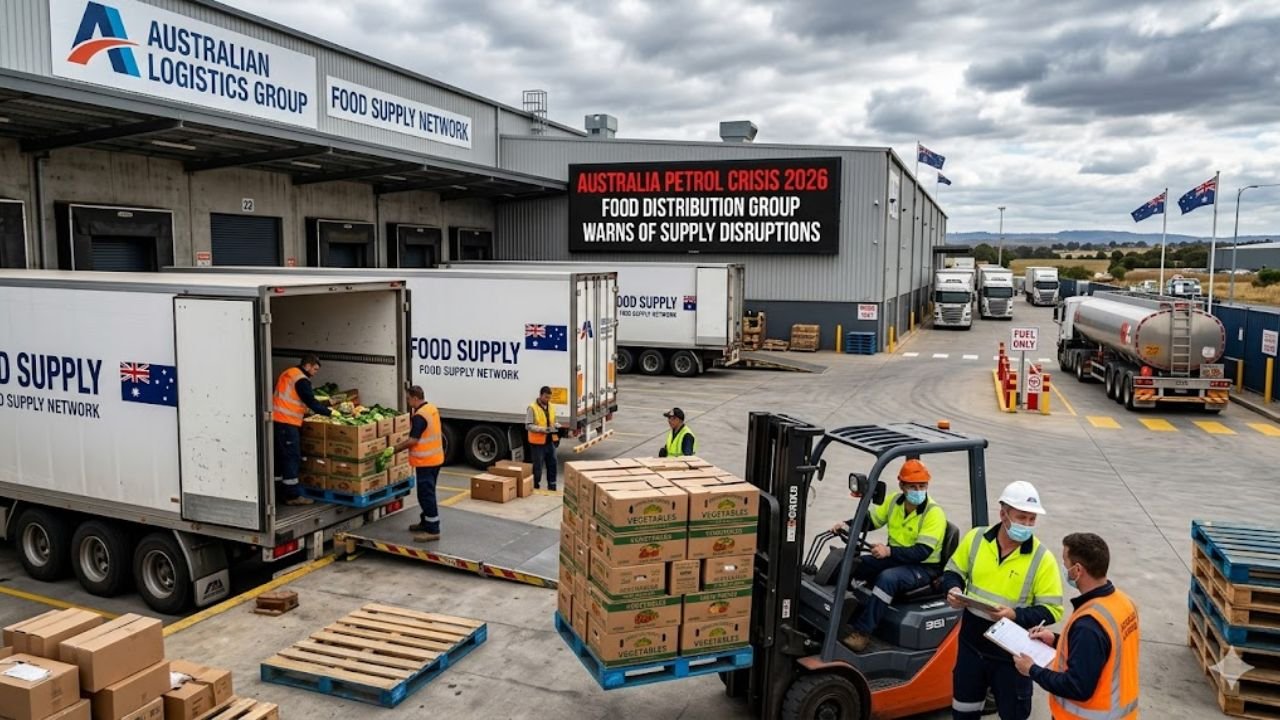
It is now 2026, and Australia’s petrol crisis is no longer simply a problem involving people waiting in line at the gas station. It is becoming a problem that worries farmers, transport workers, and consumers, and is now turning into a food security concern as the impacts spread more widely.
Deteriorating and tightening fuel availability is becoming even more urgent for food and farming advocates as it is leading, and is likely to continue leading, to empty supermarket shelves and rising grocery prices in households.
The most immediate cause of this increased fuel pressure is the ongoing disruption caused by the Middle East conflict and the resulting increase in fuel prices and global fuel market instability. Australia’s fuel supply chain vulnerability has been exposed due to its heavy reliance on imported refined fuels.
Service stations in rural areas, as well as independent distributors, have cut their normal delivery schedules and have been forced to ration supplies to essential users, including farmers and transport companies. Meanwhile, the federal government continues to argue that Australia has enough fuel supply to meet the legally required minimums and that the fuel shortage is largely the result of panic buying and people making “spot” orders outside their contracts.
The Importance of Diesel Fuel in the Food Supply Chain
Diesel fuels the modern food supply chain from planting and harvesting crops to distributing food to grocery stores. It powers tractors, refrigerated trucks, and even food processing facilities.
Some farmers and food distributors warn that harvests could fail if diesel deliveries are delayed for even a few weeks. In parts of Western Australia, some farmers have already been forced to stop working due to evaporating diesel supplies.
Food distributors also warn of a shortage of truck drivers. Without truck drivers, there are no trucks to transport crops to grain mills or livestock to supermarkets. This situation can lead to higher food prices and reduced product availability.
Analysts say the war in Ukraine has already pushed diesel prices higher, making food more expensive and increasing the overall cost of living for Australians.
Fuel Reserves Snapshot and Cost Concerns
Oil reserves are running low in some areas of Australia, although official data shows some stock still remains. Energy officials say Australia currently has reserves that could last:
| Indicator | Estimation | Description |
|---|---|---|
| Petrol in reserve | 36 days | National strategic stocks as of early March |
| Diesel in reserve | 32 days | Primary fuel for agriculture and freight |
| Jet fuel in reserve | 29 days | Supports aviation and freight logistics |
| Recent retail fuel price movement | +30–50 cents per litre | Regional farmers reported increases in recent days |
Price increases are already hurting farmers. Some are operating at a loss due to rising diesel costs. In some cases, farmers must drive long distances to service stations just to secure enough diesel to keep their machinery running.
Fuel companies in several regions have had to leave long-time customers waiting because distributors are receiving only limited supplies to allocate.
Government Actions vs Industry Demands
The Australian government says the country is “well prepared” for international energy shocks and claims fuel reserves are higher than in previous crises. Officials also say fuel shipments continue to arrive as scheduled.
Energy Minister Chris Bowen has argued that the shortage is largely due to demand spikes, including panic buying and additional spot orders outside regular contracts.
The government has urged Australians not to hoard fuel and has asked regulators to closely monitor fuel pricing to prevent companies from inflating prices during the shortage.
However, farmers and food distribution groups say the situation in regional Australia is more serious than national averages suggest.
Industry leaders are asking the government to prioritize fuel access for productive users such as agriculture, freight transport, and essential rural services to ensure food production and distribution continue without disruption.
They have also called for a national food security strategy that addresses Australia’s reliance on imported fuel and increases investment in fuel storage, supply chain resilience, and alternative energy sources.
What This Means for Consumers
Most Australians have noticed the petrol crisis through rising prices at fuel stations, but the effects could soon appear in grocery stores.
If fuel shortages disrupt planting, harvesting, or livestock transport, less locally produced food will be available. This may force Australia to rely more heavily on imports, increasing pressure on the national food supply.
Consumer advocacy groups warn that low-income households will feel the impact most strongly because they spend a larger portion of their income on essential goods such as food.
Experts say supermarket shelves are unlikely to become empty immediately, but quick action by businesses and the government will be necessary to protect critical supply chains.
Ensuring diesel remains available for farming, transport, and cold-chain logistics will be essential. Regulators may also need to prevent price gouging and communicate clearly with the public about reserve levels and contingency plans.
The crisis could ultimately push Australia to invest more heavily in food security systems, transport efficiency, and clean energy solutions.
FAQs
Q1 Is Australia running out of fuel completely?
The government says national reserves remain above legal minimum requirements, but local shortages are occurring due to regional distribution bottlenecks.
Q2 Could this petrol crisis cause food shortages?
Farming and food industry groups warn that if diesel supplies remain constrained for agriculture and freight sectors, consumers could see higher food prices and occasional product shortages in supermarkets.
Q3 What can the government do to protect food supply?
Industry leaders recommend prioritizing fuel for agriculture and freight, enforcing stricter action against price gouging, and developing a national strategy to protect food production and fuel supply chains.